
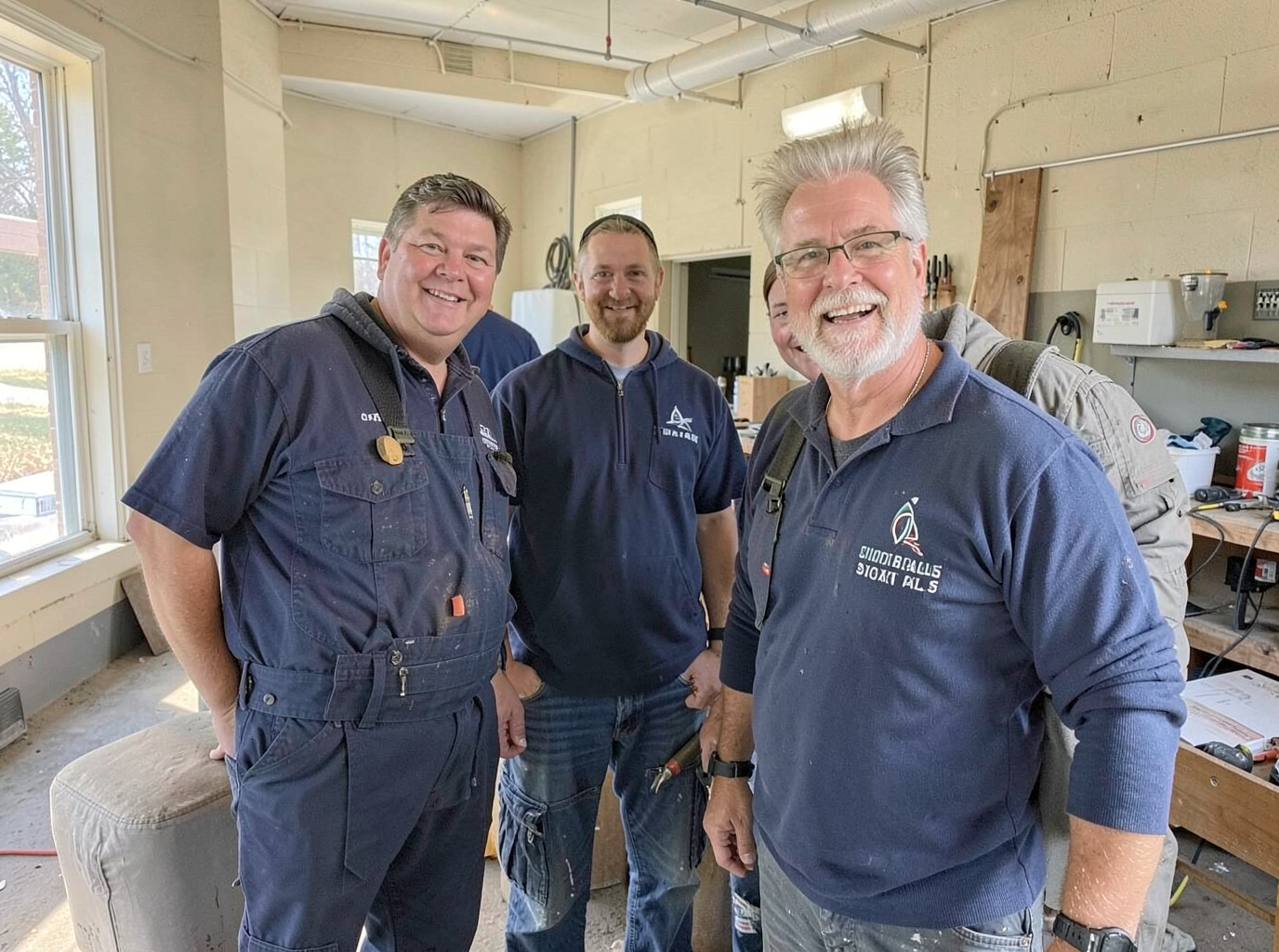
Prairie Tree Area homes sit on the western edge of Sioux Falls where open prairie meets newer subdivisions. Winters bring heavy snow and ice that push water under shingles and around vents, while summer storms drop hail that dents asphalt. A roofing contractor working these blocks sees the same patterns on split-levels and ranch homes built from the late 1970s onward: lifted ridge caps, worn step flashing at chimneys, and soft spots along north-facing eaves.
Access matters here. Many lots back onto drainage swales that fill during spring melt, so crews stage materials on the street side and protect lawns with plywood. Homes along 57th Street and S Minnesota Avenue often have attached garages that limit ladder placement, requiring roof jacks and careful shingle staging. Service calls also reach nearby Tea and Hartford when owners need the same crew that already knows Minnehaha County wind loads and freeze-thaw cycles.
Owner-operated crews based in Sioux Falls keep weekday hours from 8am to 6pm and Saturday 9am to 2pm so Prairie Tree residents can meet on site before or after work. Upfront quotes cover tear-off, ice-and-water shield at eaves, and ventilation checks that match the humid continental swings typical for this zip.
Around Prairie Tree Area, SD
We regularly work near:
- 📍Prairie Tree Park
- 📍57th Street
- 📍S Minnesota Avenue
- 📍S Prairie Tree Drive
- 📍Kiwanis Avenue
Roofing Contractor in Prairie Tree Area, SD — Local Notes
- •Prairie Tree lots often slope toward rear swales, so roof runoff must be directed away from foundations to avoid basement seepage after rapid snow melt.
- •Many homes here have 4:12 to 6:12 pitches with limited ridge venting, which increases ice-dam risk along the long north eaves during Minnehaha County winters.
- •Driveways and mature trees on S Prairie Tree Drive and adjacent streets require extra tarps and debris containment during tear-offs to protect landscaping.
- •Newer infill builds along 57th Street use synthetic underlayment; older stock still has 15-lb felt that tears easily in high winds common to the open prairie terrain.